
Joe Brettell is a companion at Prosody Group and Jeff Berkowitz is the founder and CEO of Delve DC, an AI-driven opposition analysis and market intelligence agency. Opinions are the authors’ personal.
Because the race to deploy AI infrastructure intensifies, expertise companies and energy suppliers discover themselves navigating an more and more complicated political and regulatory panorama. For years, states have aggressively courted knowledge facilities — providing tax incentives and infrastructure help in hopes of attracting high-tech jobs and future-focused funding. The rise of AI has solely accelerated this development, remodeling knowledge facilities into crucial infrastructure. However now, each the vitality and tech sectors are discovering that their once-symbiotic relationship with state and native governments — and with one another — is rising extra difficult.
A lot of this complexity turns into clear when analyzing the complete image — one surfaced by way of our long-time expertise advising vitality and infrastructure companies and in conversations with stakeholders in and round these industries, in addition to an AI-driven deep dive into native, state and federal regulatory proposals.
The truth verify: Competing calls for and mounting stress
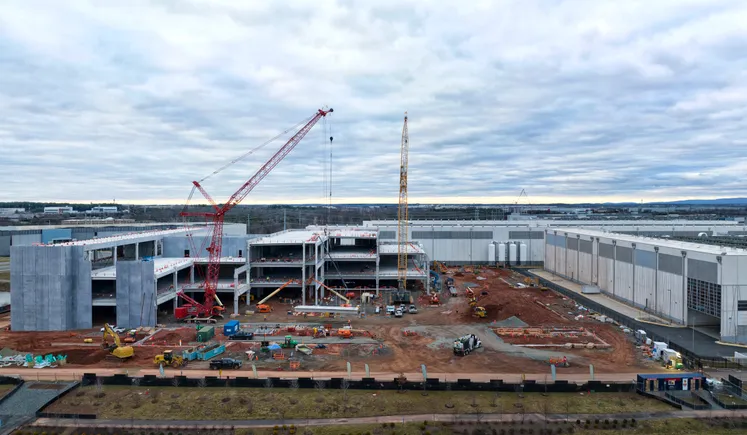
The growth in AI-driven knowledge heart growth has created unprecedented demand for land, electrical energy and water; a dynamic that has spawned rising opposition from communities, utility grid operators, cautious regulators and environmental advocates.
Energy consumption is probably probably the most broadly mentioned concern — a dominant subject on the lately held CERA Week, and one which hits most residents straight. A single knowledge heart can use as a lot electrical energy as a mid-sized U.S. metropolis. Utilities in states like Virginia, Illinois and Utah are struggling to fulfill hovering demand, elevating considerations about grid reliability and equitable entry to vitality.
In the meantime, stress from buyers to each hold tempo and present progress on the large funding in AI means tech firms want to maneuver quick — typically quicker than regulators and infrastructure can sustain. Even in areas the place vitality growth is part of the social cloth, these considerations have pushed controversy. Take Entergy’s $10 billion deal to energy a brand new Meta AI knowledge heart in Louisiana, which has drawn swift backlash and lawsuits from environmental teams — even because the state’s governor, utility regulators and tech companions seem aligned.
Water use, although much less publicized, is equally regarding. Superior AI cooling programs demand vital water sources. In drought-prone states like Arizona and California, this want is turning into a decisive consider the place and the way knowledge facilities may be constructed. Activists and lawmakers are asking onerous questions on whether or not such initiatives align with broader environmental targets and native wants.
Jobs vs. incentives: The financial equation
States are additionally reevaluating the financial promise of knowledge facilities. Whereas early enthusiasm centered on the potential for long-term funding and high-tech job creation, the fact is extra nuanced. As native lawmakers rapidly study, knowledge facilities typically function with minimal staffing, and in lots of communities, the return on beneficiant tax incentives seems restricted. Legislators in Indiana, Georgia, Virginia and elsewhere are starting to query whether or not present incentive buildings present a good return. Watchdog teams argue that whereas knowledge facilities deliver capital expenditures, they fall quick on job creation — notably in rural communities that bear the infrastructure burden. This creates a novel problem for all stakeholders within the knowledge heart provide chain, and all concerned want to offer a broader imaginative and prescient for the long-term promise of AI.
The energy-tech rigidity: Alignment or collision?
Whereas the vitality and tech sectors have mutual pursuits in powering the way forward for AI, their priorities don’t all the time align. Utilities are beneath stress to take care of reliability and hold charges honest for present clients. Many are pushing again in opposition to speculative demand projections from hyperscalers that would end in overbuilding infrastructure and straining ratepayers.
Regulators in states like Utah are grappling with easy methods to let AI companies entry the ability they want whereas guaranteeing utilities can nonetheless serve households and small companies. Proposals to co-locate knowledge facilities with era belongings, together with nuclear and renewables, present promise however face authorized and allowing hurdles. Proper-of-first-refusal legal guidelines, which might give incumbent utilities monopolies on transmission buildout, are stoking controversy over value, competitors and local weather progress.
The brand new politics of infrastructure
Some firms are adapting. Voluntary tax contributions, early engagement with native communities, and investments in native infrastructure and workforce growth are serving to mitigate pushback. However extra systemic options are wanted.
In an effort to maximize worth for native communities whereas being good companions, policymakers at each stage should craft clear, constant tips on siting, environmental impression, water and vitality utilization, and incentive buildings. Fragmented, state-by-state approaches create uncertainty for all stakeholders — undermining the very progress states as soon as inspired.
On the identical time, vitality and tech firms have to coordinate extra carefully to align demand forecasts, grid planning and sustainability targets. The present tempo of AI growth calls for it.
The AI ‘land rush’
Maybe most critically, we should acknowledge that the AI period is simply starting. The transformative purposes that may reshape whole industries stay on the horizon.
We’re not but on the “AOL free disc” second for AI. However the infrastructure selections being made now will form who leads — and who lags — when that second arrives.
Assembly this second requires greater than engineering and funding. It requires public affairs management that understands the politics of energy, the economics of group belief, and the intersection of innovation and impression.
The chance is gigantic — however so are the dangers of getting it unsuitable. To make sure knowledge heart growth aligns with long-term progress and public good, the vitality and tech sectors should transfer not solely quick, however ahead — collectively.
Trending Merchandise

KAFAHOM Power Tool Organizer Wall Mount, 4-Tier Drill Holder for Cordless Tools, 2-Pack Set, Garage Storage Rack with Side Hooks for Hammers & Pliers, Tool Organizer for Workshop/Utility Room




XMJY 5 Pack Funny Hardhat Stickers – Can We Fix It? No, It’s Fucked, Cute Cartoon Hard Hat Stickers for Builder, Waterproof Vinyl Stickers for Tool Box, Helmet (3 inch)

Cisily Brown Sponge Holder for Kitchen Sink, Sink Caddy Organizer with High Brush Holder, Kitchen Countertop Organizers and Storage Essentials, Rustproof 304 Stainless Steel, Soap Dispenser Organize

Mohawk Fil-Stik Wax Putty Stick, White M230-0202, 1 Count


